
Is a 15KW Micro-Grid Right for Your Home? Key Considerations
Is a 15KW Micro-Grid Right for Your Home? Key Considerations Understanding Micro-Grids: The Future of Home Energy Solutions Micro-grids are localized energy systems that can operate independently or in conjunction with the traditional grid. A 15KW micro-grid offers a unique opportunity for homeowners seeking energy independence, reliability, and sustainability. In this article, we will explore the
Jan 10,2026
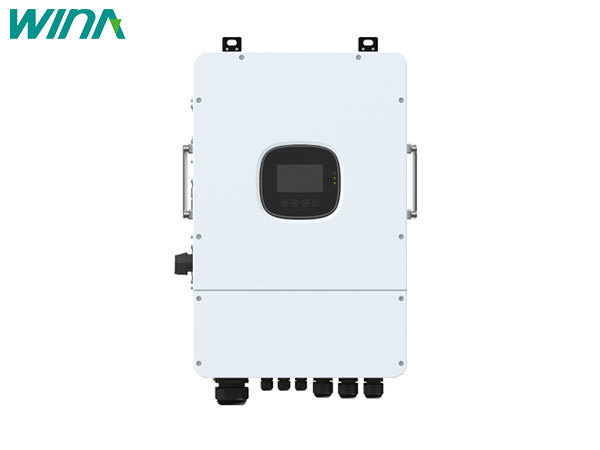
Is a 15KW Micro-Grid Right for Your Home? Key Considerations
Understanding Micro-Grids: The Future of Home Energy Solutions
Micro-grids are localized energy systems that can operate independently or in conjunction with the traditional grid. A 15KW micro-grid offers a unique opportunity for homeowners seeking energy independence, reliability, and sustainability. In this article, we will explore the key considerations for evaluating a 15KW micro-grid for your home.
What is a 15KW Micro-Grid?
A **15KW micro-grid** is a decentralized energy system capable of producing and managing power, sufficient to meet the needs of a typical household. It often encompasses renewable energy sources such as solar panels, alongside storage solutions like batteries. This configuration allows for efficient energy management, ensuring that homeowners can harness, store, and utilize energy as needed.
Key Components of a Micro-Grid
The efficacy of a micro-grid hinges on several critical components:
1. Renewable Energy Sources
Solar panels are the most common renewable energy source utilized in micro-grids. They convert sunlight into electrical energy, significantly reducing reliance on traditional energy sources.
2. Energy Storage Solutions
Batteries, particularly lithium-ion batteries, are essential for storing excess energy generated during peak production times. This stored energy can then be used when production dips, ensuring a consistent power supply.
3. Energy Management Systems (EMS)
An EMS optimizes the use of generated energy, balancing supply and demand. It monitors energy usage patterns and can automatically switch between grid and off-grid modes, ensuring efficiency.
Why Consider a 15KW Micro-Grid for Your Home?
Investing in a micro-grid can offer an array of benefits tailored to modern energy demands.
1. Energy Independence
A micro-grid provides homeowners with a significant degree of energy autonomy. By producing and managing their own energy, homeowners can reduce their dependency on national grids and avoid fluctuations in energy prices.
2. Cost Savings
Although the initial investment in a micro-grid can be substantial, the long-term savings on energy bills can be significant. Homeowners can capitalize on reduced energy costs and even earn money by selling excess energy back to the grid.
3. Environmental Impact
Transitioning to a micro-grid can drastically reduce your carbon footprint. Utilizing renewable energy sources like solar contributes to decreased greenhouse gas emissions, promoting a more sustainable future.
Key Considerations When Evaluating a 15KW Micro-Grid
As you contemplate the installation of a 15KW micro-grid, several factors require careful evaluation.
1. Energy Requirements
Assessing your energy needs is paramount. A **15KW micro-grid** may suffice for an average household, but larger homes or those with high energy demands might require a more robust system. Analyze your average energy consumption to ensure the system meets your requirements.
2. System Costs and Financial Incentives
The installation of a micro-grid involves various costs, including equipment, installation, and maintenance. However, many homeowners may qualify for financial incentives, such as tax credits or rebates, to help offset these costs. Research local regulations and incentives to gauge the overall financial impact.
Installation Costs
The installation cost of a 15KW micro-grid can vary widely based on the components selected, placement, and vendor. Expect to budget anywhere from $15,000 to $40,000, depending on system specifications.
Potential Savings
Homeowners could save up to 70% on their energy bills after installation, depending on energy consumption and local electricity rates.
3. Space and Location
Assess the space available for solar panels and battery installation. Optimal sites include rooftops or dedicated ground space with ample sunlight exposure. Ensure that your chosen location complies with local zoning laws and regulations.
4. Local Climate and Weather Conditions
Evaluate how local climate and weather patterns affect solar energy production. Regions with consistent sunlight will yield better performance from a solar-powered system. Consider seasonal variations and potential weather-related disruptions.
5. Maintenance Requirements
Micro-grids require ongoing maintenance to ensure optimal performance. This might include regular inspections, cleaning solar panels, and monitoring battery health. Plan for these maintenance activities to sustain system efficiency.
Installing a 15KW Micro-Grid: What to Expect
The installation process involves several key steps that homeowners should anticipate.
1. Initial Consultation
Engage with an energy consultant to assess your home's energy needs and evaluate the feasibility of a micro-grid installation. This step often includes a detailed energy audit.
2. Design and Planning
Once you commit to a micro-grid, the next phase involves designing a system tailored to your energy consumption patterns. This phase may require permits and adherence to local building codes.
3. Equipment Procurement
Selecting quality equipment is crucial for system efficiency. Work with reputable vendors to source reliable solar panels, batteries, and EMS software.
4. Installation
Professional installers will set up the micro-grid components. This process generally takes several days, depending on the complexity of the system.
5. System Testing and Commissioning
After installation, the system undergoes testing to ensure it operates correctly. This step ensures that all components function optimally and that the EMS is calibrated correctly.
Financial Considerations of a 15KW Micro-Grid
Understanding the financial implications of investing in a micro-grid is essential for prospective homeowners.
1. Upfront Investment vs. Long-term Savings
While the upfront costs may deter some homeowners, the long-term savings on electricity bills can outweigh initial expenses. Analyze your local energy rates and calculate potential savings over time.
2. Financing Options
Explore various financing options, including solar loans, leases, and PPAs (Power Purchase Agreements). Many companies offer financing solutions tailored for micro-grid installations to make the investment more manageable.
3. Impact on Property Value
Installing a micro-grid can enhance your property's value. Energy-efficient homes often sell at a premium, appealing to eco-conscious buyers.
Case Studies: Successful Implementations of 15KW Micro-Grids
Examining real-world applications of micro-grids can provide valuable insights for potential adopters.
1. Residential Success Stories
Many homeowners have successfully implemented micro-grids, experiencing significant savings and reductions in energy dependency. Explore local case studies to understand the tangible benefits your neighbors have enjoyed.
2. Community Micro-Grids
Some communities have banded together to create micro-grid systems, sharing resources and reducing costs. These collaborative efforts demonstrate the viability and benefits of micro-grid technology on a larger scale.
FAQs About 15KW Micro-Grids
1. How much energy can a 15KW micro-grid produce?
A **15KW micro-grid** can produce approximately 15 kilowatts of energy at peak output. Actual production varies based on sunlight availability and system efficiency.
2. Can a micro-grid operate off-grid?
Yes, a micro-grid can function independently of the main grid, providing energy security during outages.
3. How long do batteries last in a micro-grid system?
The lifespan of batteries typically ranges from 5 to 15 years, depending on usage and maintenance.
4. Are there any tax benefits for installing a micro-grid?
Many regions offer tax credits and rebates for renewable energy installations, which can significantly reduce your overall costs.
5. What happens during extreme weather conditions?
Micro-grids are designed to handle various weather conditions. However, extreme conditions may impact solar production, necessitating reliance on stored energy or the grid.
Conclusion
Deciding whether a **15KW micro-grid** is right for your home involves careful consideration of your energy needs, financial implications, and available space. By understanding the benefits and demands of micro-grid technology, homeowners can make informed decisions that contribute to a sustainable energy future. Investing in a micro-grid not only promotes energy independence but also supports a greener planet. Evaluate your options, conduct thorough research, and consult with professionals to determine the best path forward for your energy needs.
PREVIOUS:

Request Quote
Note: Please be sure to fill in the information accurately and keep communication open, we will get in touch with you as soon as possible